
Why can’t I stop drinking after three beers?
This is where you have great potential to learn how to maintain a healthy diet by learning how to eat whole foods and cook nutritious meals. Alcohol is “empty calories,” meaning that it is full of calories without any nutritional value. When you refrain from drinking after a couple of months, you will notice that you are naturally losing weight. Your diet will most likely improve because you are now eating food instead of consuming empty calories. Many people are unaware that they are experiencing nighttime awakenings but wonder why they wake up in the morning feeling exhausted even after a long night’s Drug rehabilitation sleep.
Healthy alternatives to drinking
- Learn more about the financial impact of alcohol misuse in the United States.
- Mood swings decrease as emotional regulation stabilizes too.
- Many of us reach for a drink to unwind after a tough day, but there are healthier ways to cope with stress and difficult emotions.
- National surveys show that millions of Americans have AUD.
But understanding what to expect and how to handle it safely can make the process feel much more manageable. Your safety is the number one priority, and this is one area where you absolutely shouldn’t go it alone. Once you’ve set your goals, it’s time to put them into action. Changing your relationship with alcohol doesn’t happen overnight; it’s built on small, practical steps that you take every day. These strategies are designed to help you build momentum and feel more in control of your choices, making the process feel manageable and empowering.
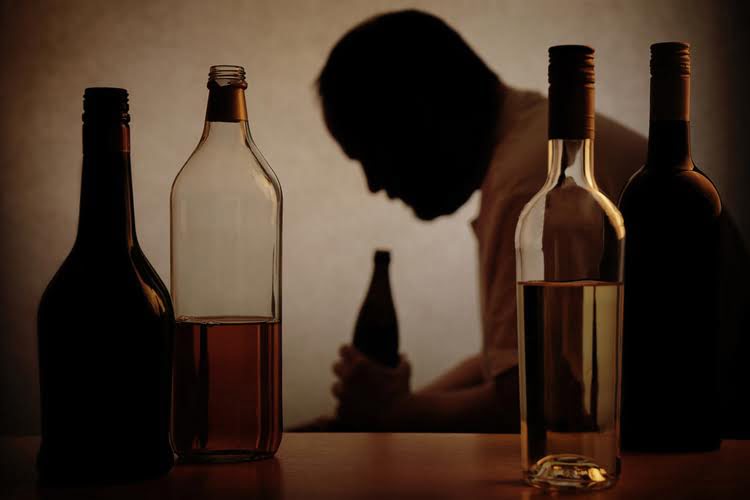
New Lifestyle And Routines
- If you turn to alcohol to manage emotional distress, the added overwhelm can prompt the urge to drink, making success seem even more out of reach.
- Beyond the physical, your mental health can improve, too.
- Last but not least, give your body plenty of time to recover.
Group meetings are available in most communities at low or no cost, and at convenient times and locations—including an increasing presence online. How to Stop Drinking This means they can be especially helpful to individuals at risk for return to drinking. Combined with medications and behavioral treatment provided by health care professionals, mutual-support groups can offer a valuable added layer of support.
Maintain a regular sleep schedule
For individuals who experienced alcoholic cardiomyopathy, left ventricular function, which measures the heart’s pumping efficiency, can show improvement. Physical symptoms during this period often include a rapid heart rate, elevated blood pressure, and excessive sweating, reflecting an autonomic nervous system in overdrive. Symptoms typically begin within six to 12 hours and reach their peak intensity around 48 to 72 hours after cessation. This peak period carries the highest risk for severe complications like withdrawal seizures, which usually occur within the first 48 hours, and delirium tremens (DTs). If you’re a heavy drinker, your body may rebel at first if you cut off all alcohol. You could break out in cold sweats or have a racing pulse, nausea, vomiting, shaky hands, and intense anxiety.

Be open about your decision and let them know how they can best support you—whether that’s planning alcohol-free activities together or just being someone you can call on a tough day. As experts from Harvard Health suggest, simply telling people you need their help can create a powerful circle of encouragement and accountability. A professional who specializes in habit change or addiction can provide a safe space to explore the why behind your drinking.
Identifying triggers
You will start to notice an improvement in memory and concentration about one month after you stop drinking, and your mental clarity will greatly improve as time goes on. Your decision-making process will be clearer, you will be a better problem solver, you will be able to multitask, and your overall mental state will improve. One of the first few signs of improved hydration status is healthier-looking skin. Less wrinkles, less puffiness, a decrease in red blotches, and a brighter glow are signs of improved skin due to better hydration status.
If you’re ready to drink less, here’s how to start
Your personal timeline will depend on your own drinking patterns and physiology, so be patient and gentle with yourself as your body adjusts. Asking yourself if it’s time to change your relationship with alcohol is a huge step. It’s a quiet question that can feel heavy, but just by being here, you’re showing incredible self-awareness. There’s no single, definitive answer that fits everyone, but there are common signs that suggest your drinking habits might be costing you more than you realize. By looking honestly at how alcohol shows up in your body, your behaviors, and your daily life, you can get a clearer picture of its true impact and decide what’s next for you.

Get Support
For some people, it can be helpful to wear something like a bracelet to always have a reminder on hand when you need it. From month-long sobriety challenges to the Sober Curious movement, more and more people are taking a closer look at the role alcohol plays in their lives.
Alcohol Treatment in the United States
Find out how many people have alcohol use disorder in the United States across age groups and demographics. This doesn’t mean that you are failing—this means that you have to reflect on your experiences and figure out how to move forward. The gelatin trick isn’t dangerous, and it might help you feel a bit fuller for a meal or two. But it’s not an all-in-one solution, and it certainly isn’t “natural Ozempic,” as it doesn’t match the potency of GLP-1 medications like this. And it’s definitely not going to replace the boring, unsexy work of developing a healthy relationship with food. If you’re using gelatin every single day to suppress hunger because you’re not eating enough, that’s a red flag.
By identifying these patterns, you can begin to untangle the habit. This practice of mindful drinking helps you separate the craving from the action, giving you a crucial moment of choice. Alcohol use disorder is a medical condition where drinking causes distress or harm. Learn https://upf.andinetsolutions.com/delirium-tremens-what-it-is-causes-symptoms-2/ the signs, severity levels, and how it differs from casual drinking.